
Home Electrical Safety: What Every Sunshine Coast Homeowner Should Know
Electricity powers everything in your home, from the fridge to your phone charger, yet it stays hidden behind the walls until something goes wrong. Understanding the basics of your home’s electrical system is not just handy for renovations. It helps you keep your family and your property safe, and it helps you recognise when a job needs a licensed electrician.
Whether you are a new homeowner, a renovator, or someone who simply wants to understand your switchboard, a little knowledge goes a long way. Here is what matters most for homes on the Sunshine Coast.
Understanding Your Switchboard
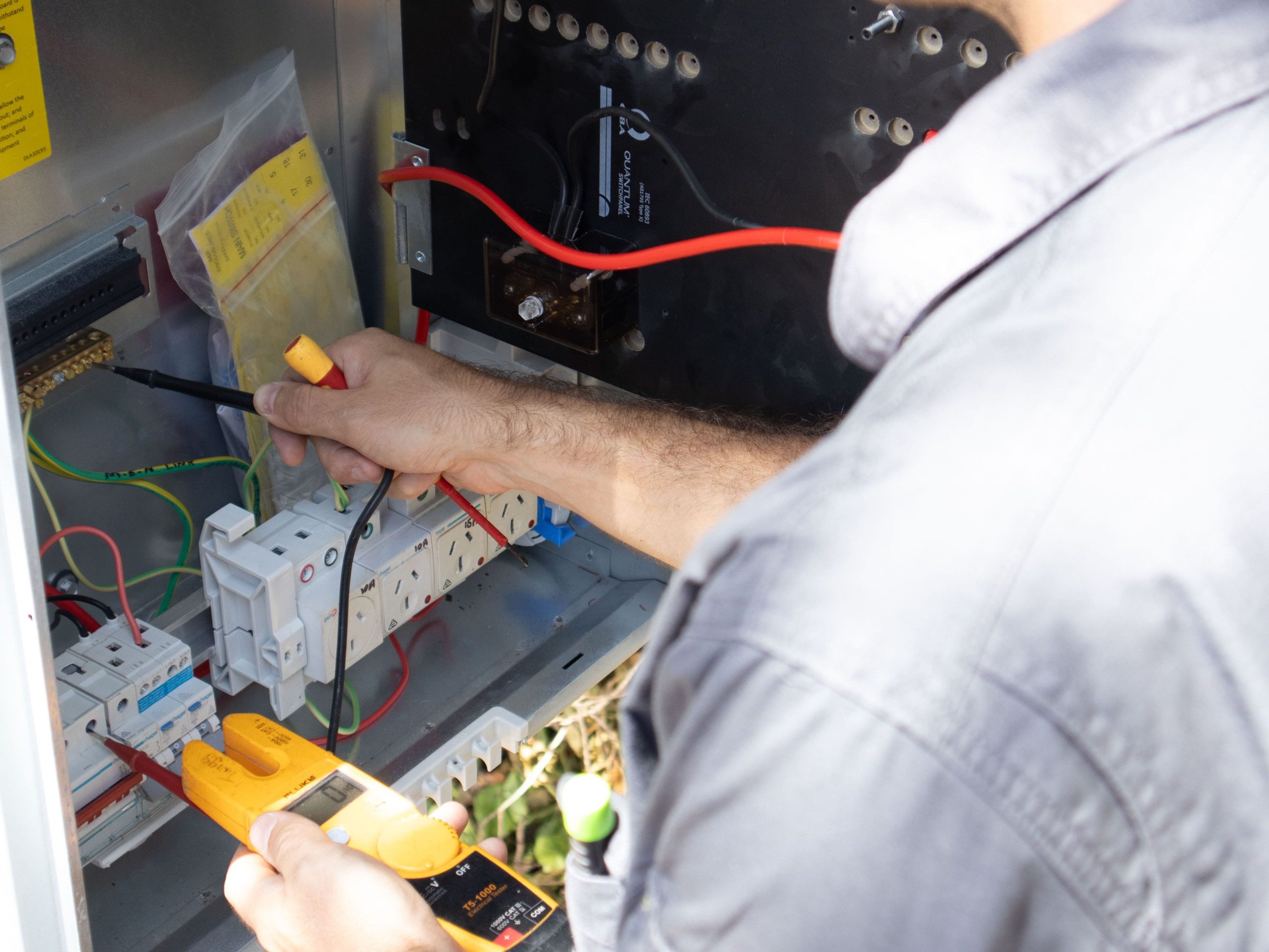
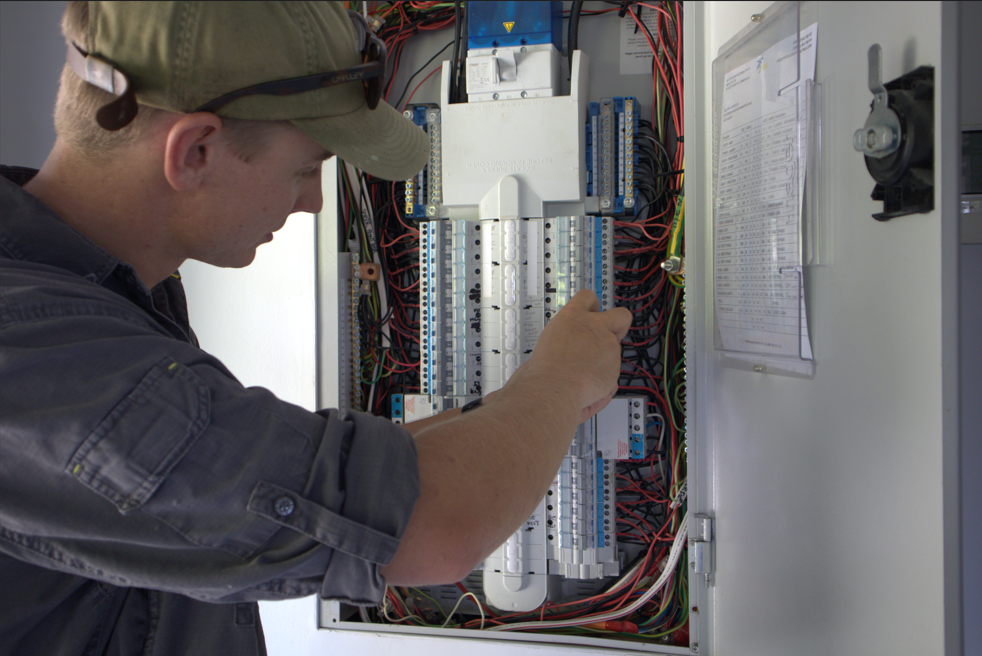
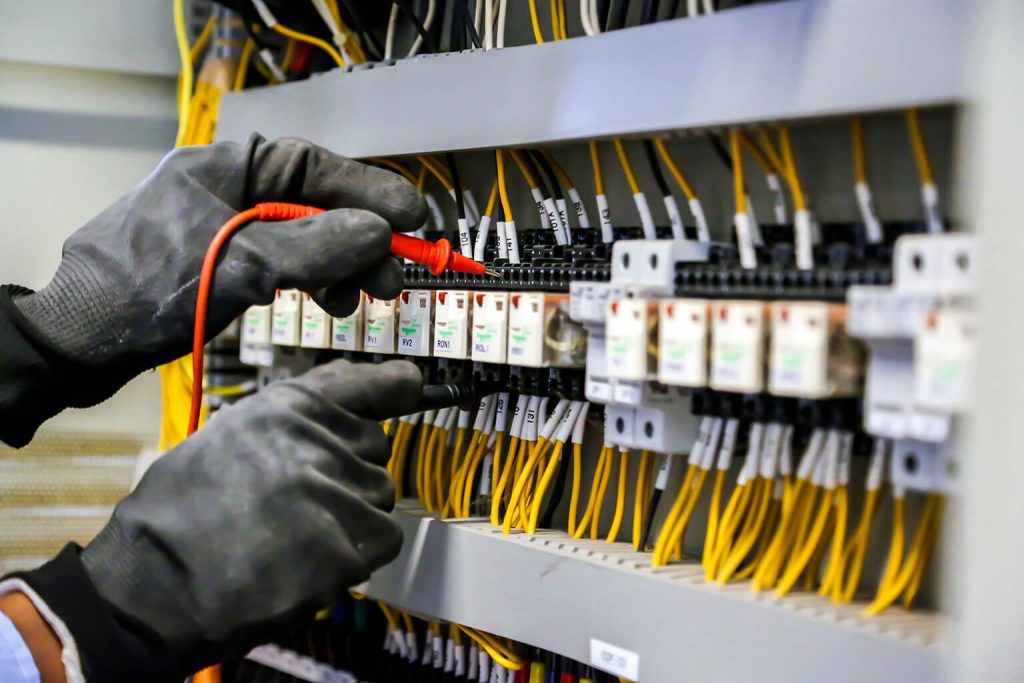
Power enters your home through the meter and runs into the main switchboard. From there it is divided into separate circuits for lighting, power points, and larger appliances. Most Sunshine Coast homes run on a single-phase supply, while larger homes and those with heavy loads may have three-phase power. If you are planning a big addition like an EV charger, an induction cooktop, or a pool, it is worth confirming your switchboard and supply can handle the extra demand before the work starts.
Inside the switchboard, circuit breakers and safety switches trip for three main reasons: an overloaded circuit (too many high-draw appliances at once), a short circuit (an active conductor touching a neutral), or an earth fault (current leaking to earth). A breaker or safety switch that keeps tripping is a warning sign, not a nuisance to keep resetting. If it is happening often, it is worth booking electrical maintenance to find the cause.
With almost two decades of local experience and a five-star Google rating, we’re one of the Sunshine Coast’s most trusted names in solar. Our deep familiarity with local regulations, roof types, and climate conditions means a smoother installation and a system built to last.
Safety Switches, Compliance and the Law in Queensland
Two things do the heavy lifting on home electrical safety in Australia. Safety switches (RCDs) cut the power within a fraction of a second if they detect current leaking to earth, which is what protects you from a serious shock. Circuit breakers protect the wiring itself from overload and short circuits. Modern switchboards combine both, and Queensland requires safety switches on domestic circuits.
It is also important to be clear on the law. Under the Electrical Safety Act 2002 (Qld), electrical work on your home’s fixed wiring must be carried out by a licensed electrician. That includes changing a light fitting, adding a power point, or moving a switch. Licensed work is carried out to the AS/NZS 3000 Wiring Rules and comes with a Certificate of Testing and Compliance, which protects you now and when you sell.
What You Can and Can’t Do Yourself
There are sensible things you can do without a licence, and a clear line where a licensed electrician is required.
| Fine to do yourself | Licensed electrician required |
|---|---|
| Reset a tripped safety switch or breaker | Changing a light fitting or switch |
| Replace a plug-top on a lamp or appliance (if confident) | Adding or moving a power point |
| Map and label your switchboard | New circuits or a switchboard upgrade |
| Use surge-protected power boards for electronics | Any work on fixed wiring or the switchboard |
Wires and Colours
Most Australian homes use insulated cable with an earth conductor bundled inside a protective sheath. Cables must be properly secured and kept clear of the edges of studs so a future screw or nail can’t pierce the wiring. The colours identify each conductor’s job, and they changed over the years, so older homes look different to newer ones.
| Conductor | Modern wiring / Older wiring |
|---|---|
| Active (live) | Brown / Red |
| Neutral | Blue / Black |
| Earth | Green-and-yellow / Green |
Heavier appliances like ovens, hot water systems, and EV chargers need heavier cable and their own dedicated circuits.
Ageing Wiring and Coastal Wear
Older homes can carry real risks. Properties with rewireable ceramic fuses, no safety switches, or ageing insulation that has gone brittle are worth having checked. On the Sunshine Coast, salt air and humidity add extra wear on fittings and connections over time. If your home still has an old fuse board or lacks safety switches, a switchboard upgrade is a worthwhile investment in both safety and property value.
Signs It’s Time to Call a Professional
Book a licensed electrician if you notice any of these:
- Ceramic fuses or a switchboard with no safety switches
- A safety switch or breaker that trips repeatedly
- Flickering or dimming lights with no obvious cause
- Warm or discoloured switch plates or power points
- A burning smell near outlets or the switchboard
When to Call All Sunshine Electrical
Mapping your circuits and using surge protection are sensible steps. Anything involving your switchboard, new circuits, or old wiring should go to a licensed electrician.
If you are on the Sunshine Coast and need a hand, our team can manage everything from switchboard upgrades and EV charger installations to solar systems, home automation, and 24/7 emergency callouts.